The back story
Wine from the ash: how the Canaries learned to drink, the back story
Vines dug into volcanic ash, a winery of 1775, a bar of 1974 and Shakespeare’s cup of canary.
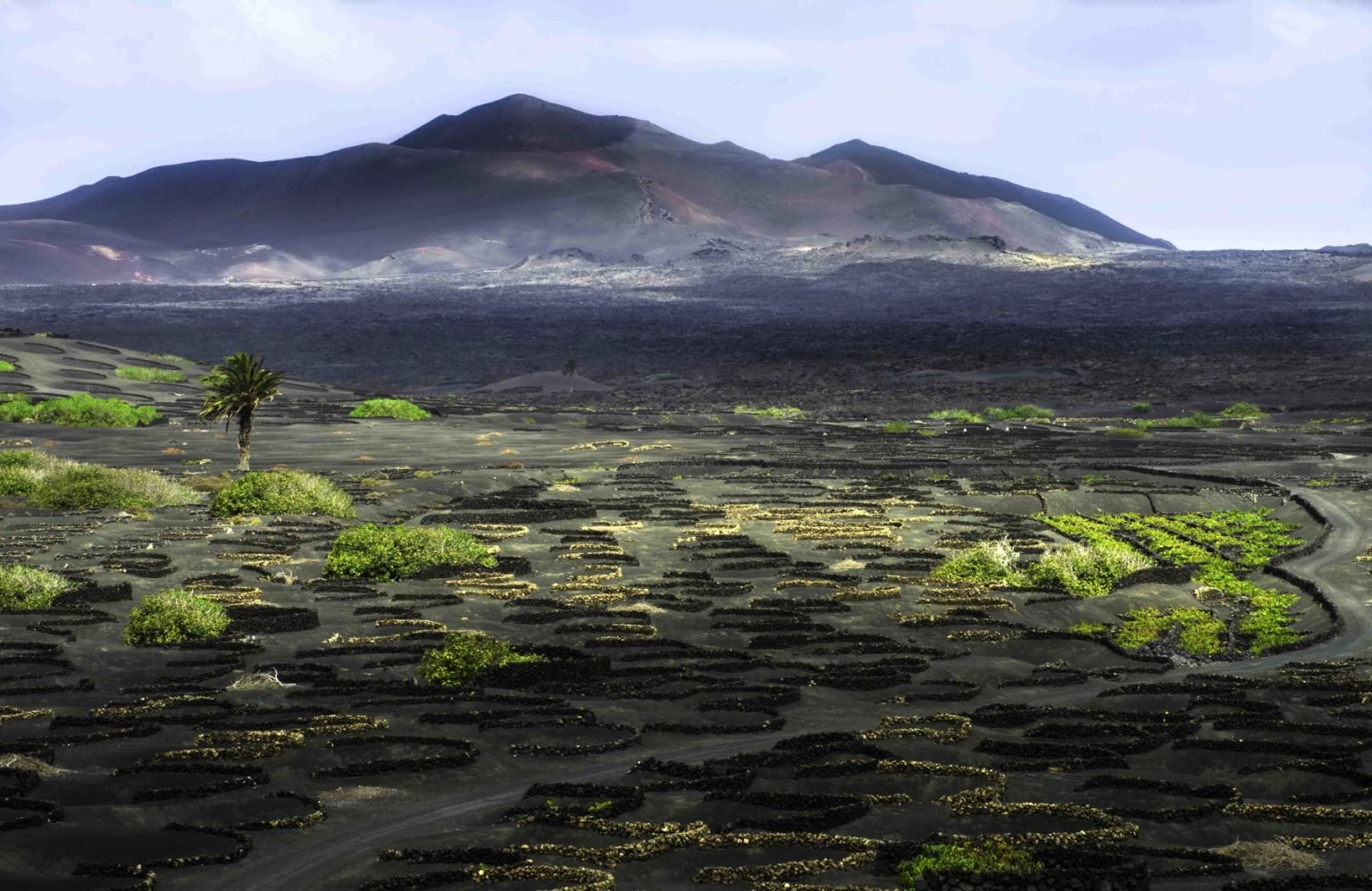
Photo Credit
Image courtesy of © Bodega La GeriaHow do you grow wine on an island the volcano buried? On Lanzarote you dig down to the soil, plant a vine in the hole and build it a wall against the wind. Here is the back story of the islands’ drinking life, from Shakespeare’s “cup of canary” to the bar Manrique’s friends built in 1974, checked against the wineries’, the regulators’ and the venues’ own pages in November 2026.
A cup of canary
The islands were in English glasses long before English sunbathers reached their beaches. In Shakespeare’s Twelfth Night, Sir Toby Belch tells his drinking partner: “O knight, thou lack’st a cup of canary!” Canary was the wine of these islands, and Sir Toby, a man with strong views on sack, clearly considered its absence a medical emergency.
After the eruption
The modern story starts in fire. On 1 September 1730, as El Grifo tells it, the Cuervo volcano woke on Lanzarote, and the Timanfaya eruptions that followed lasted six years, to 1736, burying villages, pastures and grain fields under lava and volcanic sand. From 1740 islanders began clearing the sand to reach the soil beneath and planted vines and fruit trees in it.
El Grifo built its original wine press in 1775 and has made wine for 250 years since. Ownership passed through three families, the Ribera, the De Castro and the descendants of Manuel García Durán; the old cellar still keeps barrels of Malvasía Volcánica from 1881. Manrique designed its logo and the griffin monument, and advised on the wine museum, begun in 1986.
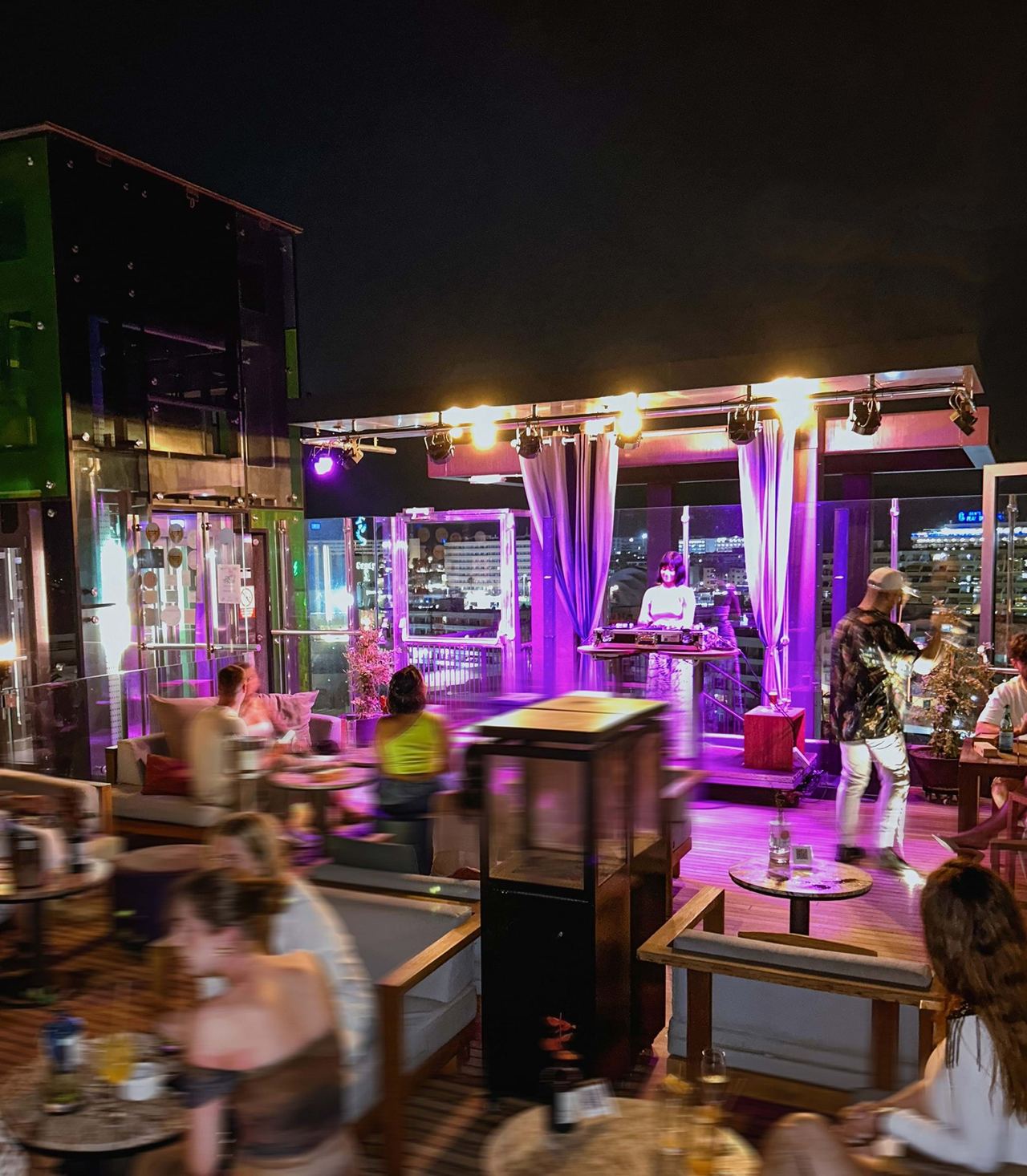
Photo Credit
Image courtesy of © Bohemia Suites & SpaThe volcano has not entirely retired. At the Montañas del Fuego, Timanfaya, the El Diablo restaurant grills meat and vegetables over a five-metre well where the heat rising from the subsoil reaches about 250 degrees, CACT says. The eruption that buried the farms now cooks lunch, on a first come, first served basis.
One vine, one wall
The vineyards look like nothing else in Europe. The grower digs through the volcanic gravel to the topsoil and plants one to three vines in each pit, then builds a semicircular stone wall about 60 centimetres high against the constant wind, the Consejo Regulador explains. In La Geria the layer of gravel, known as rofe or picón, can reach three metres.
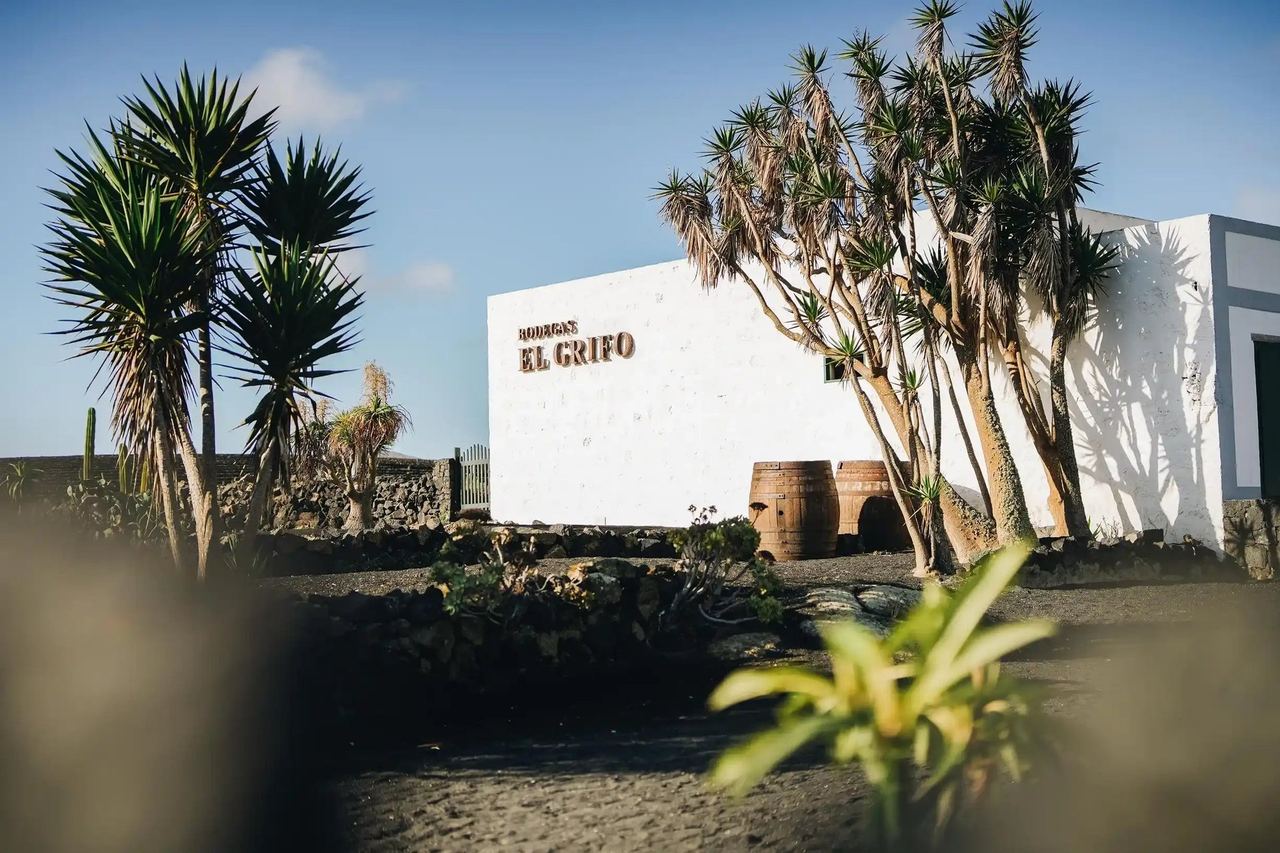
Photo Credit
Image courtesy of © El GrifoThe Designation of Origin Vinos de Lanzarote was created in 1993 and counts some 2,000 hectares of vines in production, in more than 7,500 plots across the island’s seven municipalities. Its star is Malvasía Volcánica, and the council says the harvest starts in July, the earliest in Europe. Lanzarote’s vineyards are the only ones we know that began with a shovel and a volcano’s permission.
Lanzarote’s vineyards are the only ones we know that began with a shovel and a volcano’s permission.
Bodega La Geria shows those pits on guided tours, with a cellar shop and its tavern, La Cepa. Bodegas Rubicón pairs its vineyards with a restaurant and occasional concerts. On Tenerife, Bodegas Monje stands at La Hollera in El Sauzal with views of Teide; the Monje family, in their words, have made wine since 1750, and the bodega adds a restaurant, workshops and a cultural space.
Talk over tapas
The islands’ bar culture has an artist’s fingerprints on it too. Manrique bought an old building in Arrecife in 1973 and restored it with Pepe Dámaso, Luis Ibáñez and Gerardo “Yayo” Fontes; from 1933 to 1970 it had housed the city’s School of Arts and Crafts. In February 1974 it opened as El Almacén, with a cinema, the Sala Buñuel, and Bar Picasso.
Bar Picasso – El Almacén soon became a meeting place for the island’s cultural life, where talk over tapas and wine turned to art. It reopened in July 2022 with Canarian recipes reinterpreted for sharing and Lanzarote wines, open Tuesday to Saturday, until midnight Wednesday to Friday. The conversation has had half a century to warm up.
The newer ritual is the rooftop. In Playa del Inglés, the Bohemia Suites rooftop bar sits on the roof of the adults-only design hotel, beside its 360º panoramic restaurant. Our advice: start the evening with a Malvasía at a winery and end it with a cocktail on a roof; the islands’ drinking history runs in exactly that order.
Why it's on our list
- A cup of canary
- After the eruption
- One vine, one wall
- Talk over tapas
Location
The map comes from Google Maps, which sets its own cookies once it loads.
More in depth
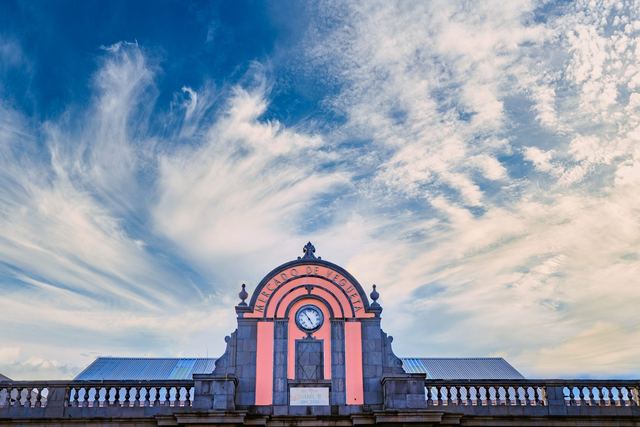 The back storyFrom the Guiniguada to Las Canteras: how Las Palmas shops, the back storyA market built from 1856, a street named after Seville’s Triana, and a mall open on Sundays.
 The back storyGrids, cobbles and cloud forest: walking the Canaries, the back storyLa Laguna’s grid that crossed the Atlantic, the camp that became Las Palmas, and Garajonay’s mist.
 The back storyGetting to and between the islands: ferries, island flights and the Tenerife tramFerries between the seven islands, the operators’ own crossing times, and when to fly instead.